
 Face To Face
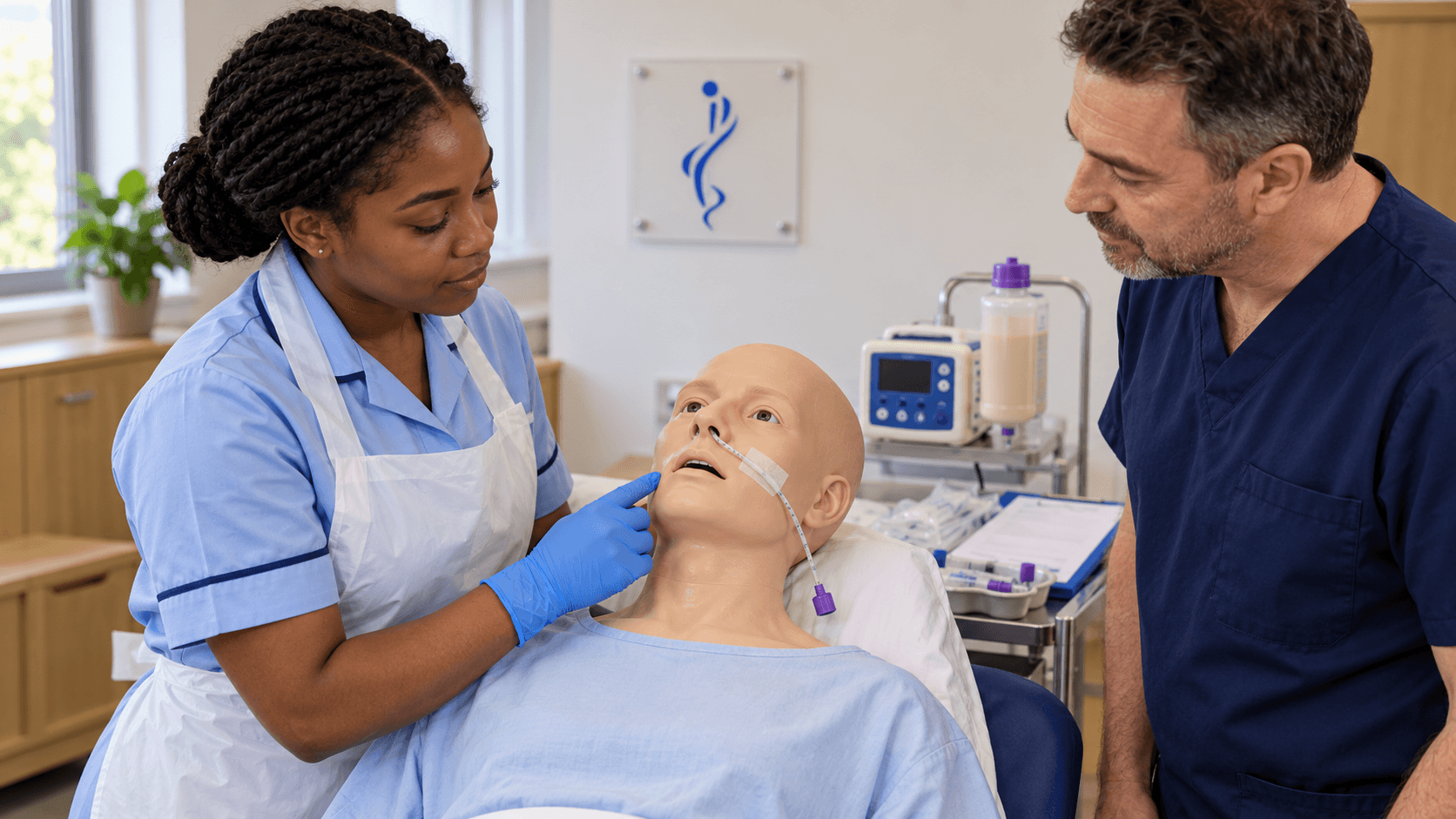
NG / NJ Feeding, Tube Care and Management
This practical face-to-face course explores the care of adults with nasogastric (NG) and nasojejunal (NJ) feeding tubes…
Half dayFrom£49.99
The Safer People Moving and Handling course provides practical, person-centred training for workers who assist people with movement, positioning, transfers and mobility in health, social care and community settings.
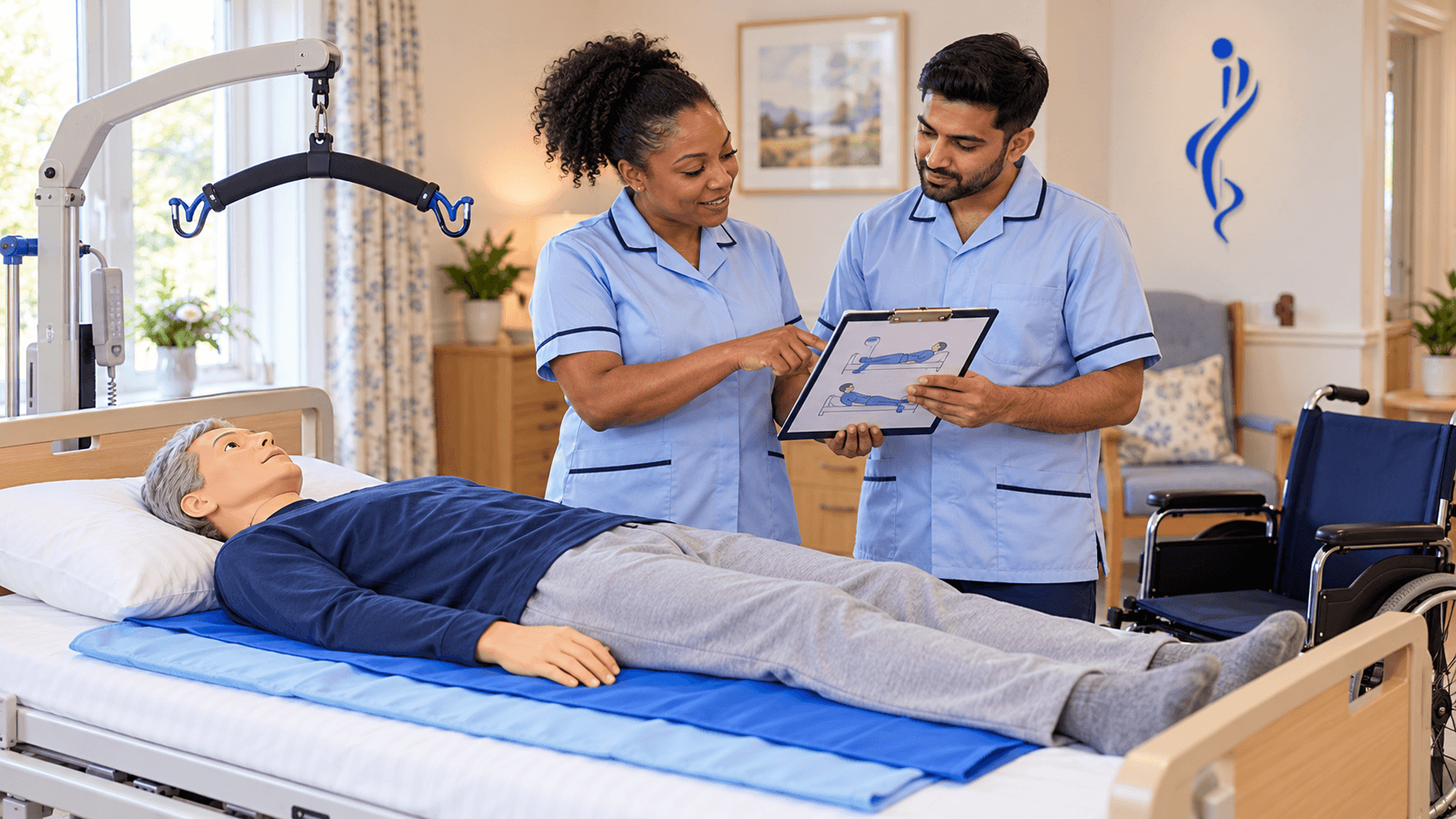
The Safer People Moving and Handling course provides practical, person-centred training for workers who assist people with movement, positioning, transfers and mobility in health, social care and community settings.
Moving and handling is part of everyday care, but poor practice can cause avoidable harm to the person receiving support and to the workers assisting them. Injuries may result from unsuitable techniques, rushed transfers, poor communication, incorrect equipment, environmental hazards, inadequate staffing or failure to follow the individual’s assessed moving and handling plan.
This course helps learners understand how to prepare for moving and handling activities, recognise risks, communicate effectively, use safer working principles and participate in supervised practical exercises.
The emphasis is not simply on completing a transfer. Learners are encouraged to protect the person’s safety, dignity, comfort, choice and independence throughout the activity.
The Health and Safety Executive identifies moving and handling as a major part of health and social care work and warns that poor practice can cause injury to both workers and people receiving care. Employers are expected to avoid hazardous manual handling where reasonably practicable, assess activities that cannot be avoided and reduce the remaining risk.
This course is suitable for workers who may assist people with movement or positioning, including:
The course may also support organisations that need structured induction, refresher or practical moving and handling training for their workforce.
Learners must only carry out moving and handling activities that are within their role, training, assessed ability and employer authorisation.
The aim of this course is to develop the learner’s knowledge, judgement and practical awareness so that they can assist people to move more safely while reducing avoidable risks to themselves, the person and others.
The course promotes a balanced approach that avoids two dangerous extremes:
Safer practice means providing the right level of assistance, using the person’s abilities wherever possible and following their current care plan, risk assessment and agreed method of support.
After successful completion, learners should be better prepared to:
Successful course completion demonstrates learning achieved during the training session. It does not confirm competence for every individual, workplace, technique or item of equipment.
Continue learning
Discover more face to face training selected from our course catalogue.
Face To FaceThis practical face-to-face course explores the care of adults with nasogastric (NG) and nasojejunal (NJ) feeding tubes…
We strive for excellent training experiences and continuously improve for learners and organizations.


Because you deserve a training platform that delivers.


